Oct 31, 2023
 -
 By Admin

New Orleans, LA


Talk to an expert 504-688-4066

- Home > Blog
With so many designs and options available, selecting the best pool for your needs and budget can be a difficult task. From the small cocktail pool to the standard big pool, each comes with its own unique set of considerations.
The key is understanding what makes a good fit for you, considering factors such as the necessary chlorine concentration and the overall design of your new swimming pool project. Whether you’re drawn towards a deep pool or prefer a shallow one, this guide will help you navigate through various design options to find your ideal pool – perfect in every way, from size to depth.
Determining Pool Size Based on Space
Assess Your Available Space
First things first, you have to know how much space you’re working with. Whip out that measuring tape and get the square footage of your outdoor area. Remember, it’s not just about fitting in a pool but also leaving room for other stuff like a barbecue pit or lounge chairs.
Consider the Pool Size Options
Once you’ve got your measurements down pat, it’s time to check out the different pool sizes available. From spools (small pools) to large Olympic-sized ones, there are plenty of options to choose from.
- Spools: Perfect for small backyards and easy on the wallet.
- Medium Pools: Ideal if you have a decent amount of backyard space and a moderate budget.
- Large Pools: Best suited for spacious backyards and larger budgets.
Matching Size with Needs
Now that you know what sizes are available, think about what size is right for your needs. Are you looking for a pool to cool off in during those hot summer months? A spool might be perfect for you! Or maybe you’re planning on hosting epic pool parties? You might need something bigger.
Balancing Budget and Desire
Finally, let’s talk about budget. Obviously, larger pools will cost more than smaller ones. So balance your desire for a massive swimming paradise against what your wallet can handle.
On average, the cost of installing a pool in the U.S. ranged from $1,000 – $56,000, depending on size and location.
Assessing Personal Preferences for Pool Type
Choosing the right pool for your needs and budget involves considering personal preferences and maintenance requirements. Let’s dive into the different types of pools and their unique features.
The Rectangle Pool Style
The rectangle pool is a classic choice, loved by many homeowners. It offers a clean, modern look that fits well in most backyards.
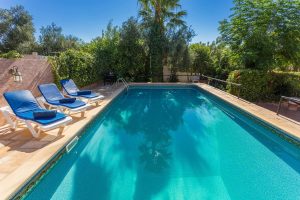
- Pros: Easy to install, cost-effective, and perfect for swimming laps.
- Cons: Limited customization options may not blend with all landscape styles.
For instance, if you’re an avid swimmer or have kids who are into competitive swimming, this could be your go-to option. But remember – it all boils down to what suits your style and budget.
Understanding Pool Maintenance
Pool maintenance is crucial in determining the type of pool suitable for you. Some pools require more upkeep than others.
- Fiberglass pools: Low maintenance but costly upfront.
- Concrete pools: High maintenance but offer more customization;
- Vinyl liner pools: Moderate maintenance with a lower initial cost.
Maintenance costs can add up over time, so consider this when choosing a pool type. For example, concrete pools might need more frequent cleaning due to algae growth but offer the flexibility to create any shape or size.
Choosing Your Pool Type
There are several types of pools on the market – each with its pros and cons. Here’s a quick rundown:
- Inground Pools: These are permanent fixtures built into the ground. They’re pricier but increase property value.
- Above-Ground Pools: These are less expensive and easy to install but don’t last as long as in-ground ones.
- Saltwater Pools: These use salt instead of chlorine for sanitation, which means softer water and fewer chemicals are needed.
- Infinity Pools: These give the illusion of water extending into the horizon; they’re luxurious but expensive to build and maintain.
Consider your lifestyle when choosing a pool. If you’re all about luxury and have the budget for it, an infinity pool might be your best bet. But if you’re looking for something less pricey and easier to maintain, an above-ground pool could be a great choice.
Comparing Above Ground and Inground Pools
Understanding Inground Pools
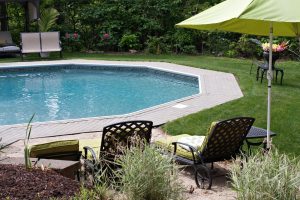
Inground pools are a popular choice for many homeowners. They’re permanent fixtures installed in your backyard, providing a luxurious feel.
Inground pools come in three types: concrete, vinyl liner, and fiberglass. Concrete pools are the most expensive but offer the highest durability. Vinyl liner pools are more affordable but require regular maintenance to replace the liner.
Pros and Cons of Inground Pools
Pros:
- Customizable: You can choose shape, size, and depth.
- Increase property value: They add aesthetic appeal to your yard.
Cons:
- More expensive: Installation costs can be high.
- Longer installation time: It may take weeks or months to install.
Getting to Know Above-Ground Pools
Above-ground pools are less permanent than in-ground ones. These pools sit on top of the ground in your backyard.
They’re typically round or rectangular in shape. The pool’s structure is often made from steel, resin, or aluminum frames with a vinyl liner inside.
Weighing Above-Ground Pool Advantages and Disadvantages
Pros:
- Cost-effective: They’re cheaper than inground pools.
- Quick installation: It can be set up within a day or two.
Cons:
- Less durable: Not as sturdy as in-ground options.
- Limited customization: size and shape options may be limited.
Choosing Between Inground and Above Ground
Deciding between an above-ground and an in-ground pool depends on several factors:
- Budget: If you have a tight budget, an above-ground pool might be best for you.
- Yard space: Large backyards can accommodate either type; small yards might only fit an above-ground option.
- Maintenance: If you’re not into regular maintenance, consider a concrete or fiberglass inground pool instead of a vinyl liner one.
Remember, both types require some form of permanent water disinfection. This is crucial to keeping the water safe for swimming.
Exploring Fiberglass, Diving, and Lap Pools
Deciding on the perfect pool type hinges on your needs and budget.
Fiberglass Pools
Fiberglass pools are a popular choice among homeowners. They’re known for their durability and low maintenance requirements.
- Durability: Fiberglass is a strong material that can withstand various weather conditions.
- Low Maintenance: Unlike other swimming pool types, fiberglass pools require less cleaning due to their non-porous surface.
However, they might be more expensive upfront compared to other types of swimming pools.
Diving Pools
Diving pools are designed for recreational purposes – think fun activities like cannonballs off the diving board! These deep-end swimming pools offer plenty of room for underwater exploration.

- Deep End: The depth allows for safe diving.
- Fun Activities: Perfect for those who love water games.
But remember: safety first! Always supervise young swimmers in these deeper waters.
Lap Pools
Lap pools are long and narrow – ideal for exercise or training rather than play. With a lap pool, you can swim laps without interruption from other swimmers or water activities.
- Exercise-Friendly: A great way to stay fit right at home.
- Uninterrupted Swimming: No need to worry about bumping into others while doing your laps!
However, lap pools may not provide as much fun for kids as play or diving pools would.
Factoring in Maintenance Costs and Time
The Price Tag of Pool Maintenance
Pools are not cheap. The cost of maintenance is something you need to consider. It’s not just about the installation costs; it’s also about the time and money you’ll spend on upkeep.
- Low-maintenance pools can save you a bundle over time.
- High-end pools with fancy features might look cool, but they could drain your wallet fast!
Analyzing Budget for Suitable Pool Choice
Understand Your Financial Limit
First off, let’s talk about the elephant in the room – your budget. It’s a big factor when deciding on a pool.
- High-end pools can cost up to $100,000.
- Basic above-ground pools start at around $1,000.
Know what you can afford before starting your search.
Consider Pool Types and Costs
Different pool types come with different price tags.
- In-ground pools are the most expensive.
- Above-ground pools are more affordable.
- Natural swimming ponds offer a mid-range option.
Each type has its own pros and cons, affecting both initial costs and long-term maintenance expenses.
Factors in Installation Expenses
Don’t forget about installation costs! These can add significantly to your overall budget.
- Professional installation is usually recommended for in-ground pools.
- DIY installation is possible with some above-ground models.
Remember that cutting corners on installation could lead to higher maintenance costs down the line.
Don’t Forget Ongoing Maintenance Costs
Pools aren’t just a one-time purchase; they require ongoing maintenance, which adds to their total cost of ownership.
For example:
- Chemicals needed for water balance: $75-$225 per year
- Pool cleaning equipment: $200-$600 initially
- Increased water and electricity bills
These are rough estimates; actual costs may vary based on pool size and usage frequency.
Explore Financing Options
If buying a pool outright isn’t feasible, consider financing options. Many companies offer payment plans or loans specifically designed for pool purchases.
However:
- Interest rates can vary widely.
- Long-term loans may end up costing more overall due to interest accumulation.
Always read the fine print before signing any loan agreement!
Making an Informed Pool Decision
Choosing the right pool for your needs and budget can be overwhelming, but with careful consideration of factors such as available space, personal preferences, maintenance costs, and budget constraints, you can make an informed decision that suits your lifestyle.
From assessing the pros and cons of above-ground versus inground pools to exploring the features of fiberglass, diving, and lap pools, you’ve taken significant strides toward finding the perfect pool.
Don’t stop here! Continue researching until you’re confident in your choice. Remember to consult professionals and seek advice from those who have already been through this process. The more information you gather, the better equipped you’ll be to make a decision that will bring years of enjoyment.
Ready to dive into your dream pool? Contact Big Easy Pool Designs today! We’re here to help you choose the right pool that fits your needs and budget.
Our team of dedicated professionals is ready to assist you every step of the way, from assessing your available space and considering your personal preferences and maintenance requirements to matching you with a pool type that suits your lifestyle.
Don’t let the process overwhelm you – we’re here to make it easy. Let’s make your dream pool a reality, one design at a time. Get in touch with us now, and let’s start your journey to the perfect pool.
FAQs
What is the main difference between above-ground and in-ground pools?
Above-ground pools are typically less expensive and easier to install than in-ground pools. However, they may not last as long and often have fewer design options compared to inground pools, which offer more customization possibilities but come with higher installation costs.
How much maintenance does a pool require?
Pool maintenance varies depending on the type of pool. Generally speaking, all pools require regular cleaning, including skimming debris off the surface, vacuuming the bottom, checking water chemistry levels regularly, and maintaining filters or other equipment.
Are there specific types of pools suited for small spaces?
Yes. Lap pools or plunge pools are great options for smaller spaces because they’re designed for exercise rather than leisurely swimming, so they don’t need as much room.
Is it possible to install a pool on a tight budget?
Absolutely! Above-ground pools tend to be more affordable than in-ground ones. Choosing simpler designs can help keep costs down.
Does installing a pool increase home value?
While adding a pool can enhance your property’s appeal, it doesn’t always increase home value. The impact on property value depends on various factors, such as the pool’s condition, your location, and whether pools are common in your neighborhood.
Related Posts